About The Ring
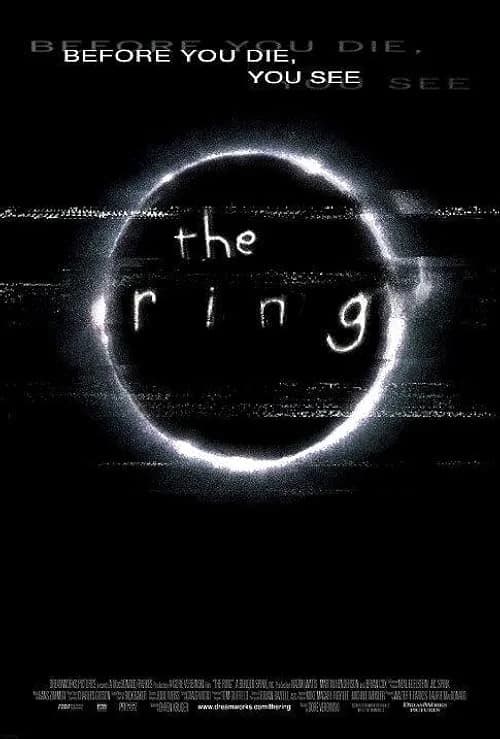
The Ring (2002), directed by Gore Verbinski, stands as one of the most effective American remakes of a Japanese horror film, successfully transplanting the eerie atmosphere of Hideo Nakata's original 'Ringu' to a Pacific Northwest setting. The film follows journalist Rachel Keller (Naomi Watts) as she investigates the mysterious death of her niece, which leads her to a cursed videotape containing disturbing, abstract imagery. Anyone who watches this tape receives a phone call announcing they have exactly seven days to live.
Naomi Watts delivers a compelling performance as the determined journalist whose professional curiosity becomes a personal nightmare when her own son watches the tape. The supporting cast, including Martin Henderson as Rachel's ex-partner and David Dorfman as her perceptive son, adds emotional depth to the supernatural premise. Director Verbinski masterfully builds tension through atmospheric cinematography, using muted colors and damp, gloomy settings that create a pervasive sense of dread.
The film's greatest strength lies in its iconic imagery—from the haunting video sequence itself to the unforgettable climax involving a television set. Unlike many horror films that rely on jump scares, The Ring creates psychological terror through its central mystery and the inexorable countdown to doom. The sound design, particularly the static-filled audio cues, enhances the unsettling experience. Viewers should watch The Ring for its intelligent approach to horror, strong central performance by Watts, and its lasting influence on the genre. It remains a benchmark for supernatural horror that prioritizes mood and mystery over gratuitous violence.
Naomi Watts delivers a compelling performance as the determined journalist whose professional curiosity becomes a personal nightmare when her own son watches the tape. The supporting cast, including Martin Henderson as Rachel's ex-partner and David Dorfman as her perceptive son, adds emotional depth to the supernatural premise. Director Verbinski masterfully builds tension through atmospheric cinematography, using muted colors and damp, gloomy settings that create a pervasive sense of dread.
The film's greatest strength lies in its iconic imagery—from the haunting video sequence itself to the unforgettable climax involving a television set. Unlike many horror films that rely on jump scares, The Ring creates psychological terror through its central mystery and the inexorable countdown to doom. The sound design, particularly the static-filled audio cues, enhances the unsettling experience. Viewers should watch The Ring for its intelligent approach to horror, strong central performance by Watts, and its lasting influence on the genre. It remains a benchmark for supernatural horror that prioritizes mood and mystery over gratuitous violence.